
Progression of Friedreich Ataxia
A cinematic mechanism-of-disease film for specialist audiences

Overview
Translating complexity into conviction
Certain diseases progress quietly while their biological impact accelerates beneath the surface. Communicating this reality to specialist audiences requires more than explanation. It requires visual trust.
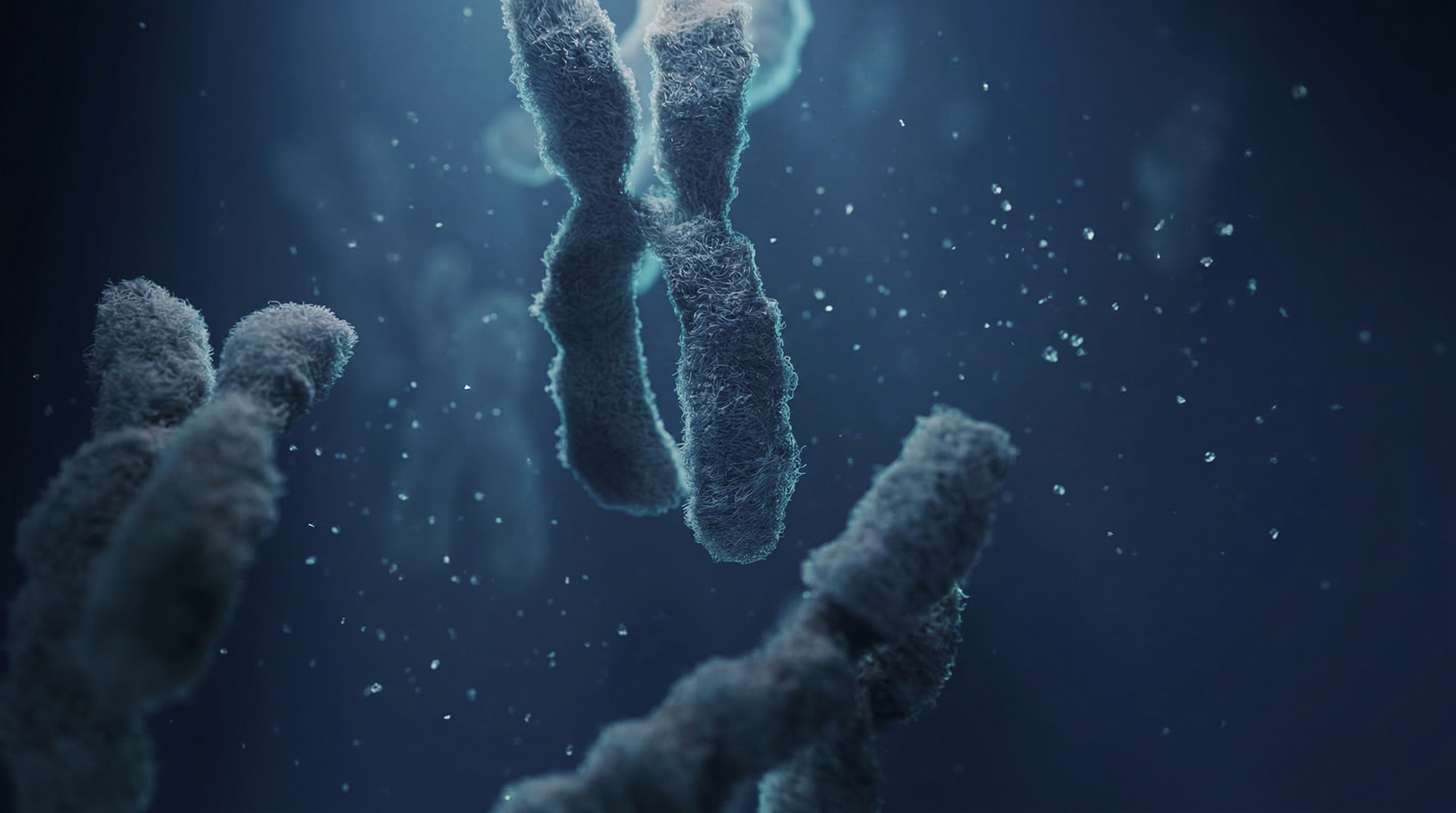
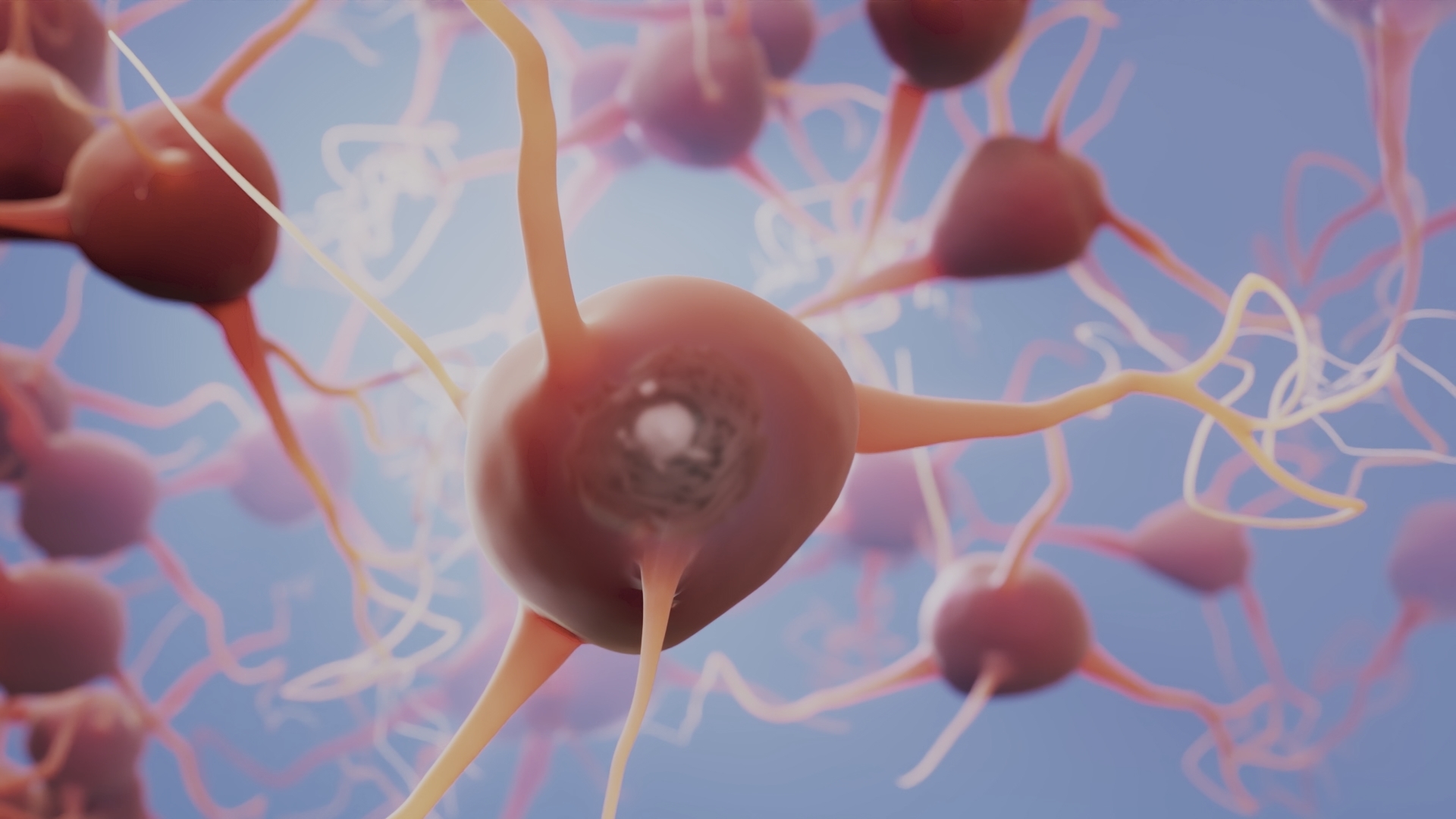
For this project we developed a cinematic medical animation exploring the progression of a rare neurodegenerative condition. The goal was not to overwhelm viewers with detail, but to create a visual narrative that clearly communicates why early recognition matters.
The result is a restrained yet emotionally resonant scientific animation designed for medical specialists.
Note: Many of our projects involve sensitive scientific information. This case description is intentionally NDA-safe and focuses on visual communication rather than specific research details.
Case Summary
Making urgency visible
The core challenge was translating a complex disease process into a story specialists could immediately grasp.
The film combines stylized 3D medical animation with carefully integrated real-world patient footage, creating a bridge between biological mechanisms and lived experience.
The objective was simple
not just understanding, but felt urgency.
Case Summary
Framing Urgency in a Progressive Genetic Disorder
The challenge was familiar but demanding. Mechanism-of-disease storytelling requires visual accuracy without overwhelming detail. Multiple sub-messages needed to coexist within a single narrative arc. The film had to respect specialist knowledge while guiding attention towards what matters. We developed one cinematic hero film, crafted specifically for a large-format congress presentation.

Case Summary
Cinematic clarity
Our design approach focused on credibility and emotional restraint.
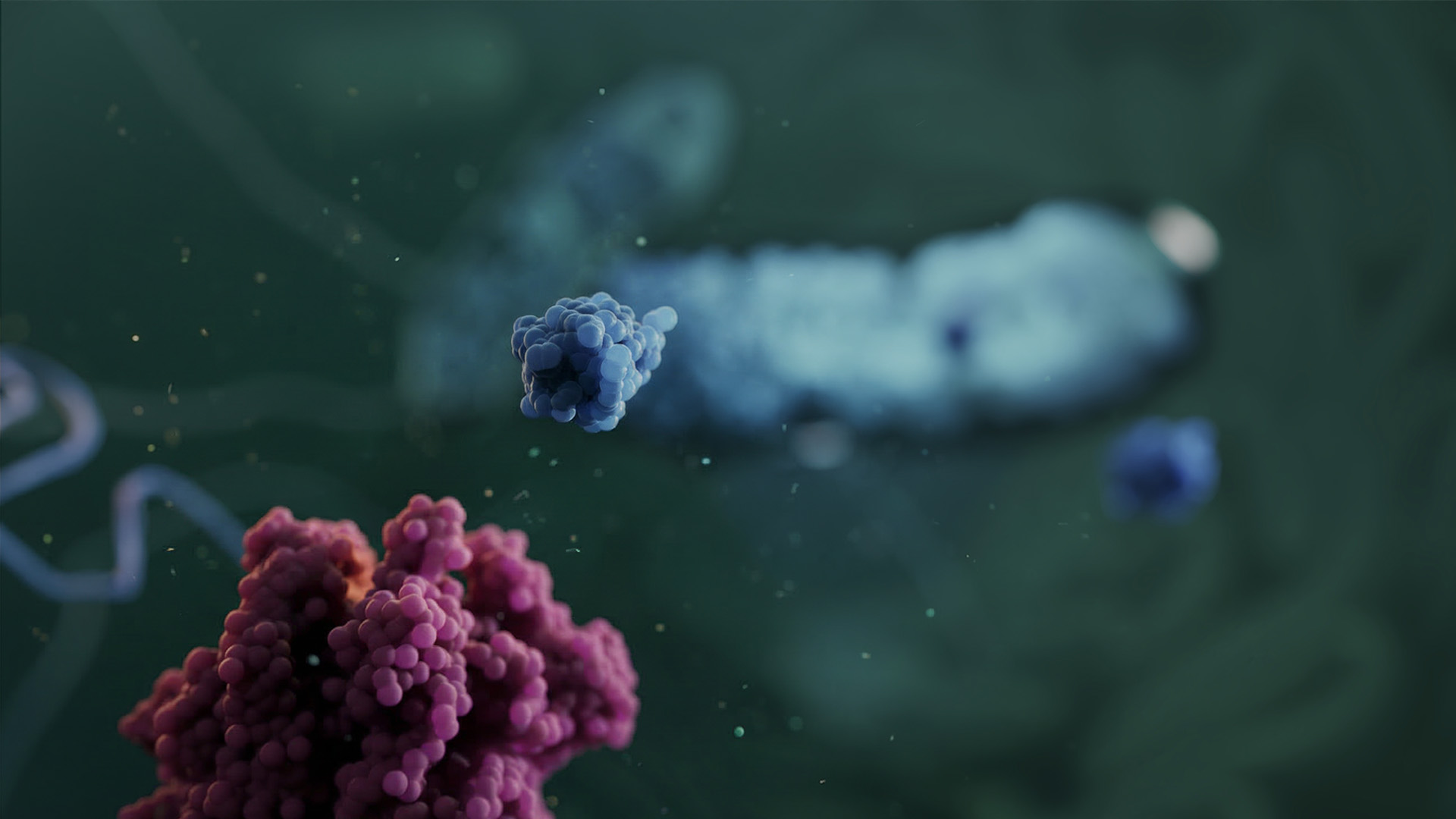
• Stylized biological environments that remain scientifically grounded
• Cinematic lighting to guide attention and pacing
• Controlled color and contrast to maintain visual clarity
• Careful integration of patient imagery with molecular-scale storytelling
This balance allows the mechanism-of-disease animation to feel both authoritative and human.
Closing Line
Trust drives attention
For specialist audiences, clarity creates credibility. By presenting the biology with restraint and cinematic precision, the film invites viewers to trust the narrative while recognizing the importance of early awareness.


