Anatomical context
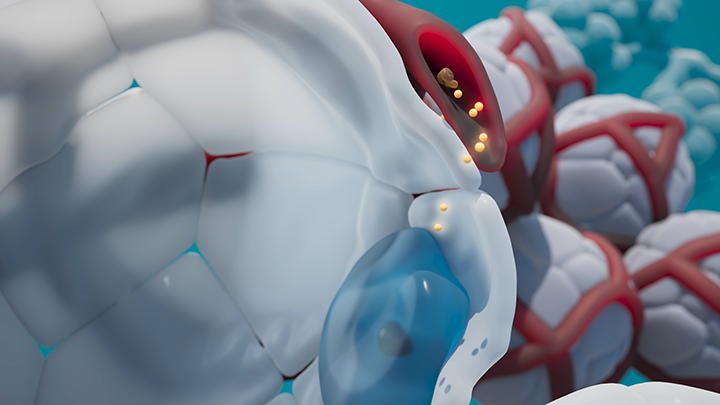
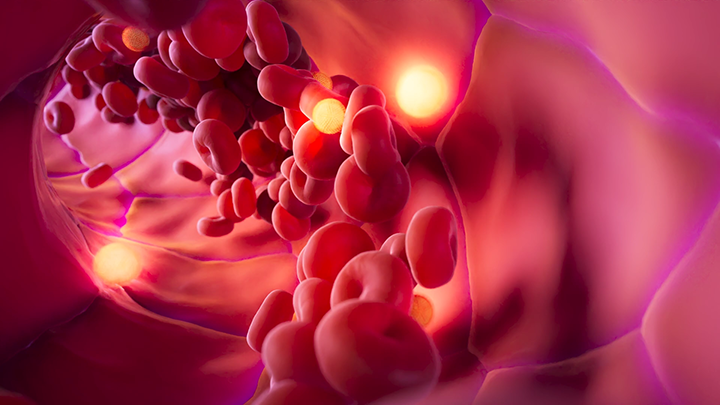
Where the process takes place

Mechanism of action animation studio
Glow Medical creates scientifically accurate, cinematic MOA animations that turn complex mechanisms into clear stories. They are built for the people who need to understand, remember and act.
A cinematic sequence can establish the anatomical context, then guide viewers toward the cellular and molecular events that define the mechanism.
01 / Understanding MOA
What is a mechanism of action animation?
A mechanism of action (MOA) animation shows how a drug, therapy or medical technology interacts with the body to produce its effect. It makes processes at the anatomical, cellular and molecular scale visible, so complex science becomes a story your audience can follow.

Where the process takes place
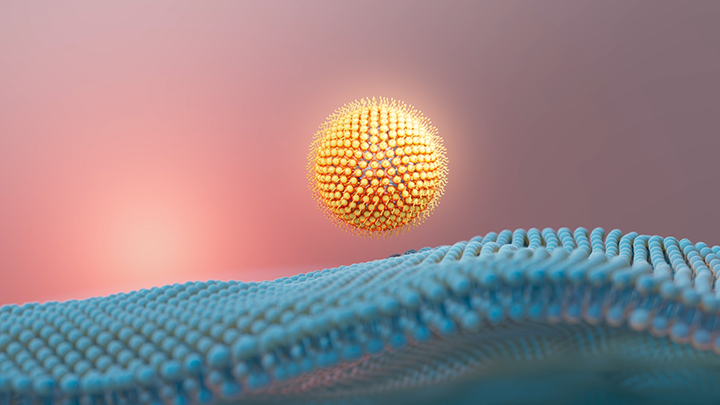
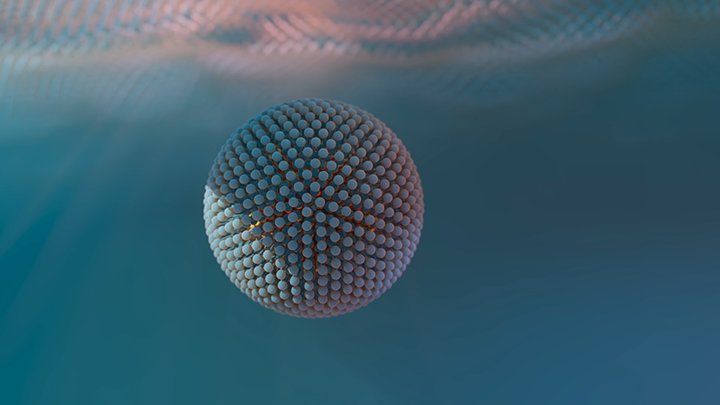
What changes in the tissue or cell
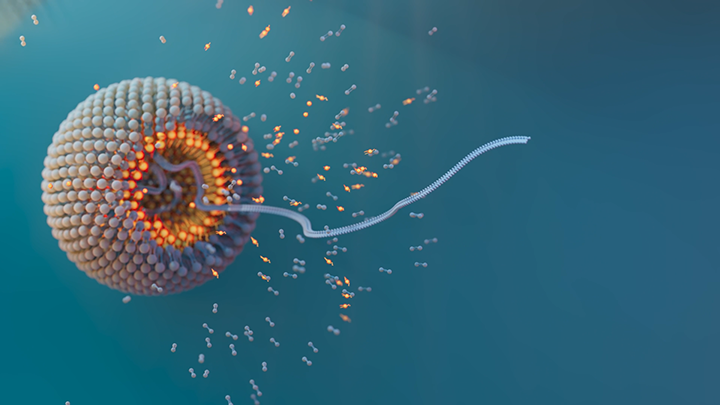
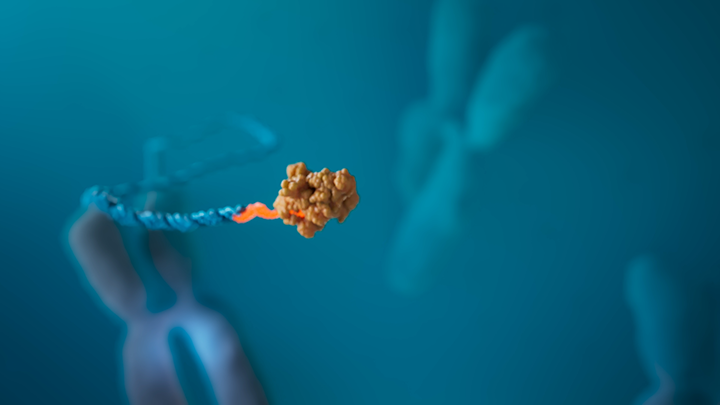
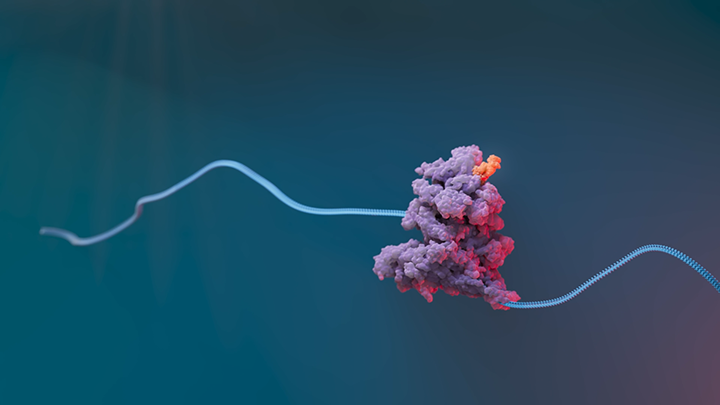
How the therapeutic agent acts
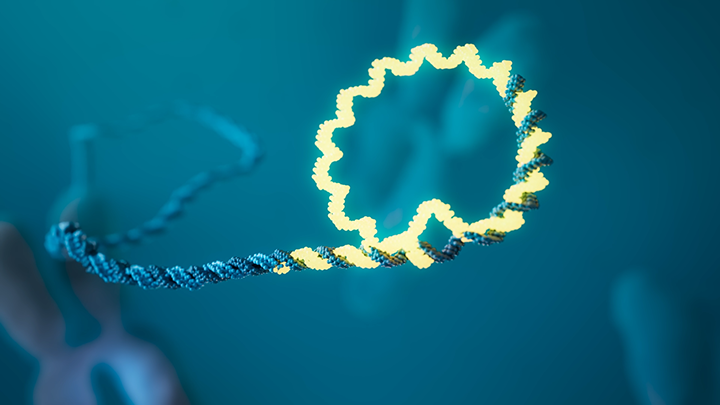
A clear MOA story preserves orientation while moving from the site of action to the pathway and finally the decisive molecular interaction.
02 / Why animation
Clarity creates confidence
Turn pathways, targets and therapeutic interactions into a logical sequence without losing scientific precision.
Give medical, commercial, investor and internal teams one consistent way to understand the mechanism.
Show what is novel about your therapy or platform, and why that difference matters.
Reuse film sequences, 3D models and stills across congresses, campaigns and training.
A modular MOA production can extend beyond one film, giving your teams a consistent set of approved visuals for every communication moment.
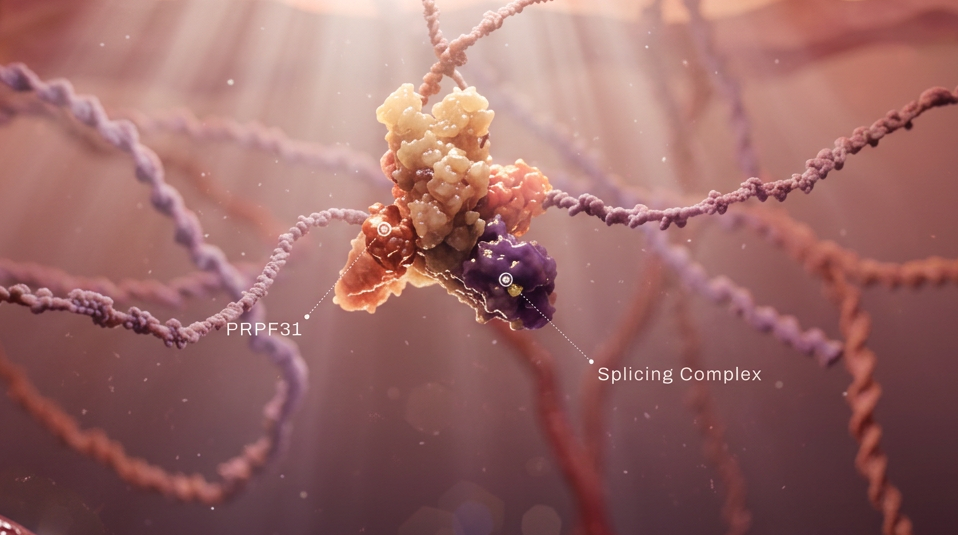
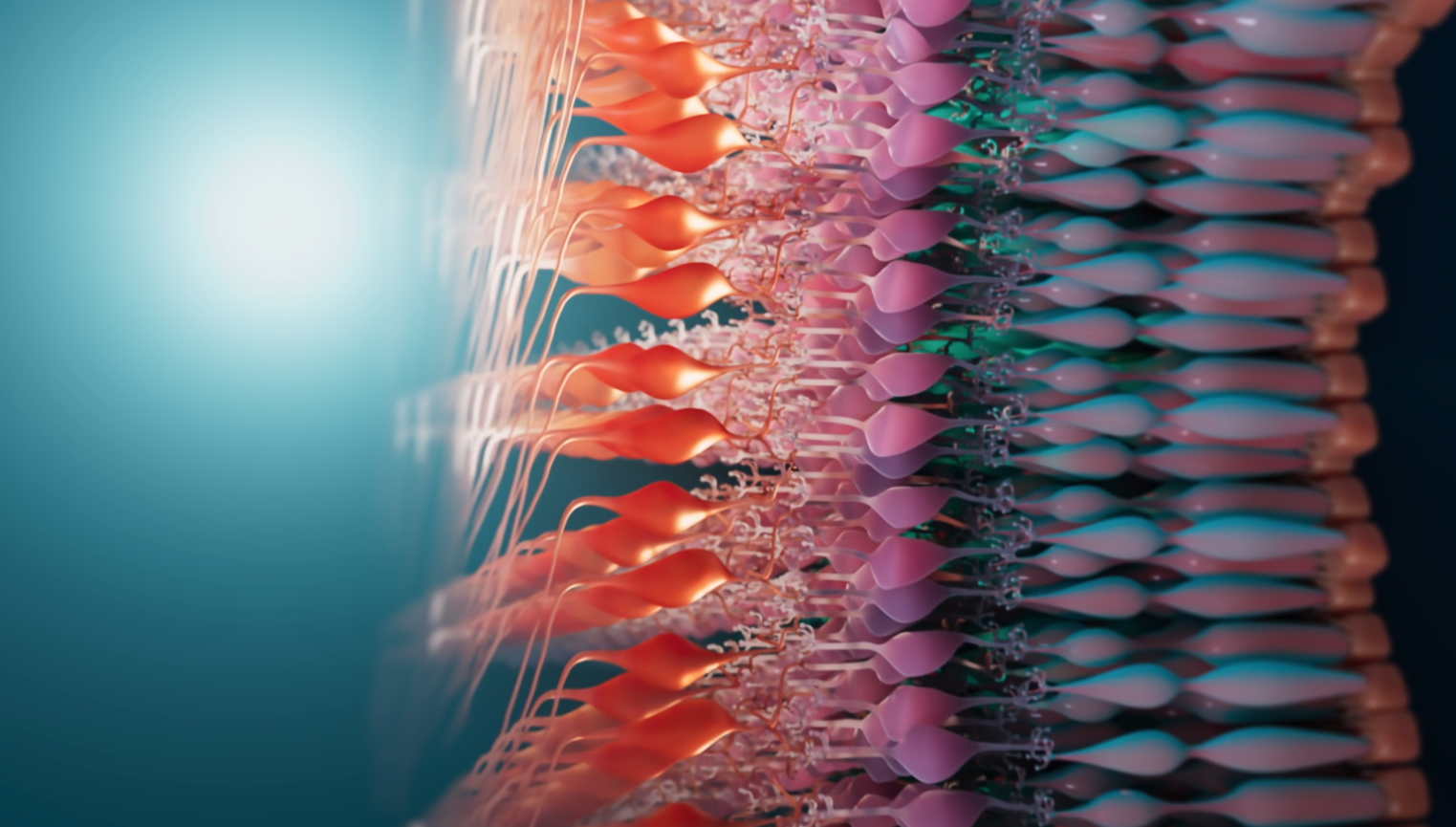

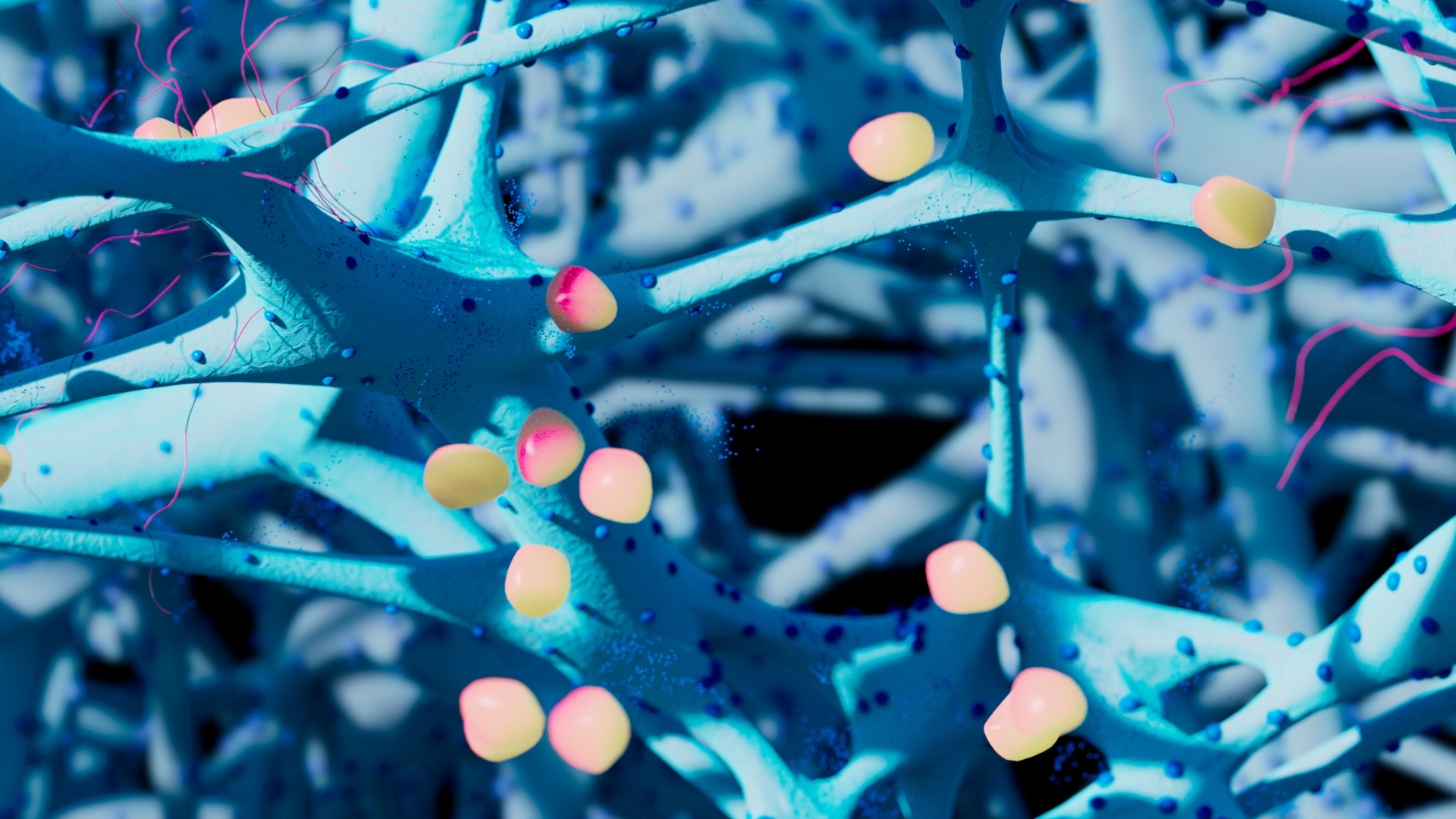
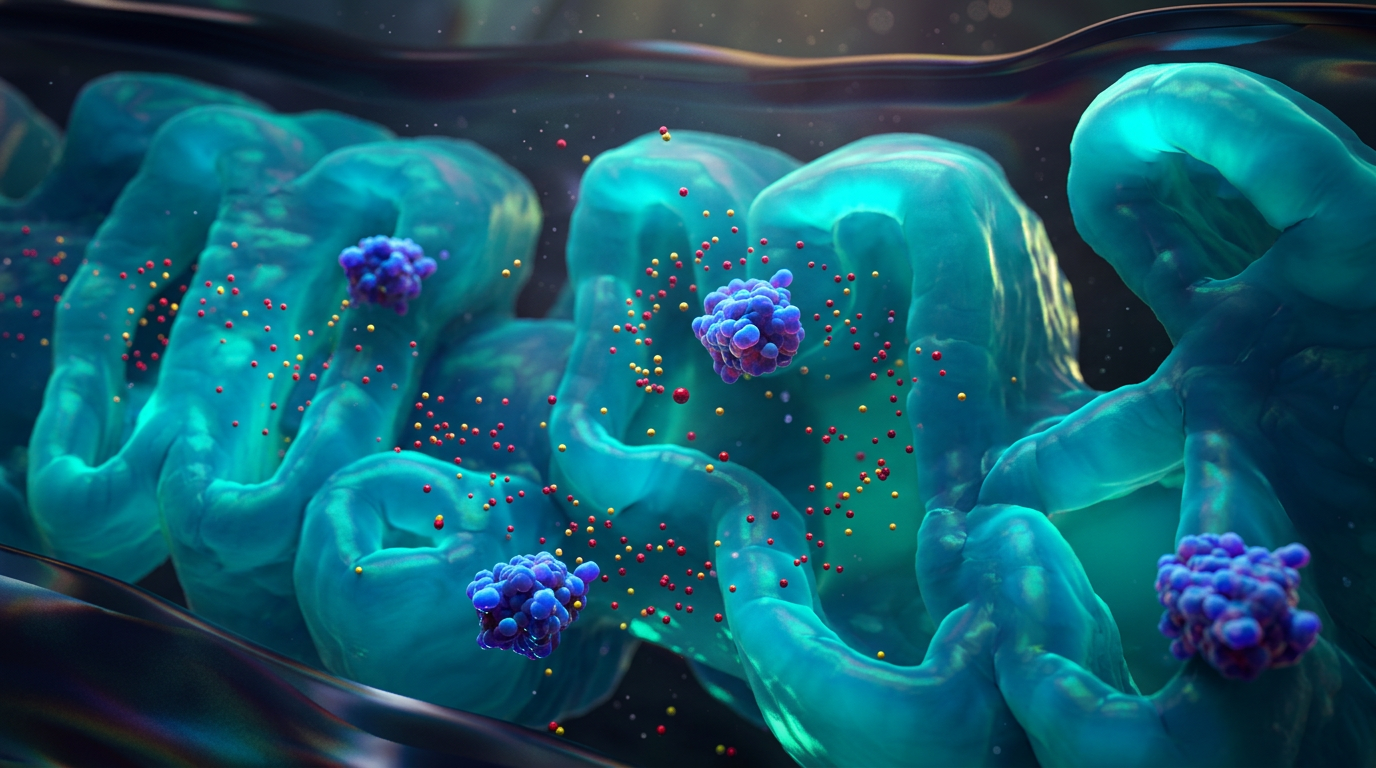
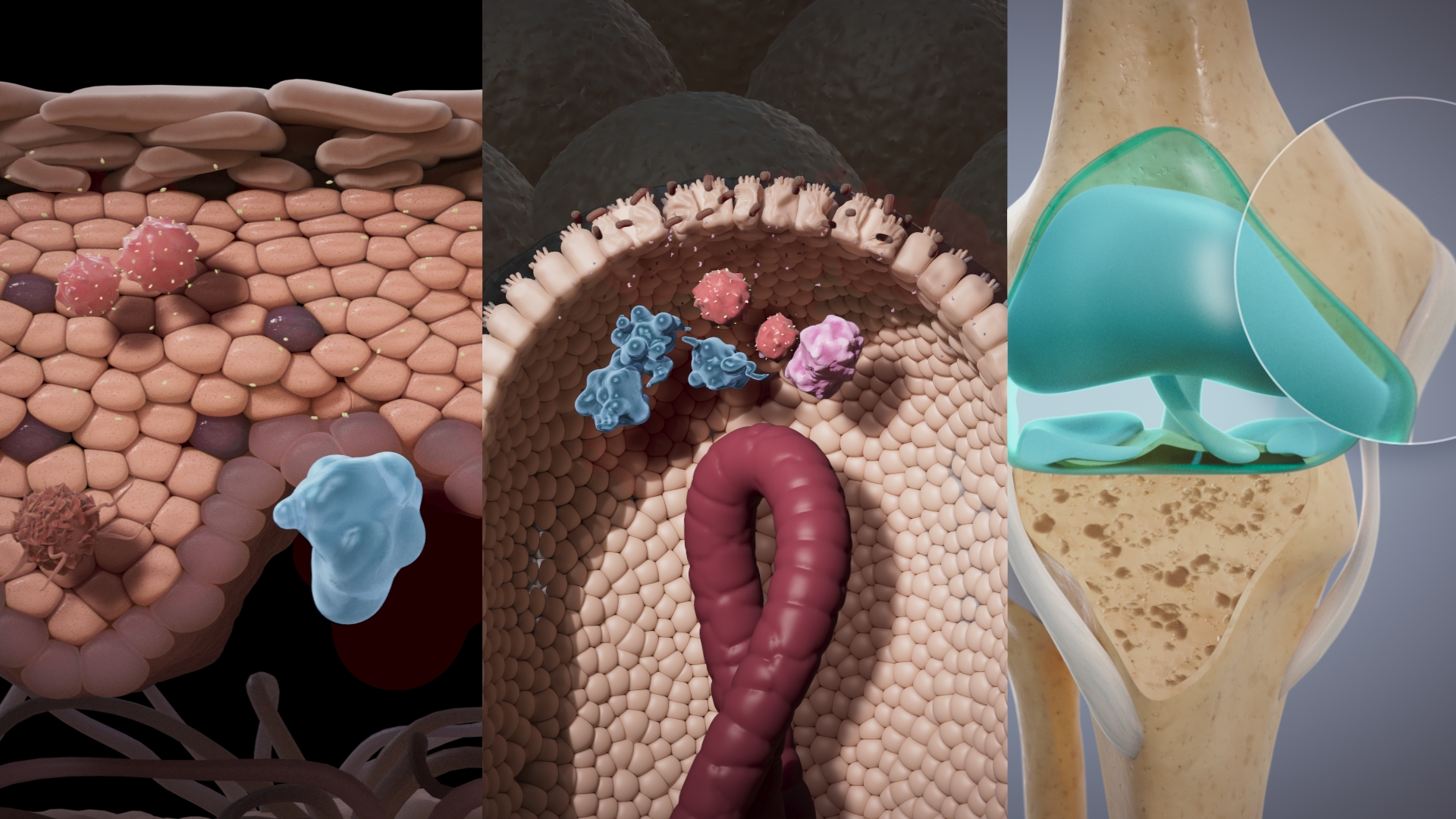
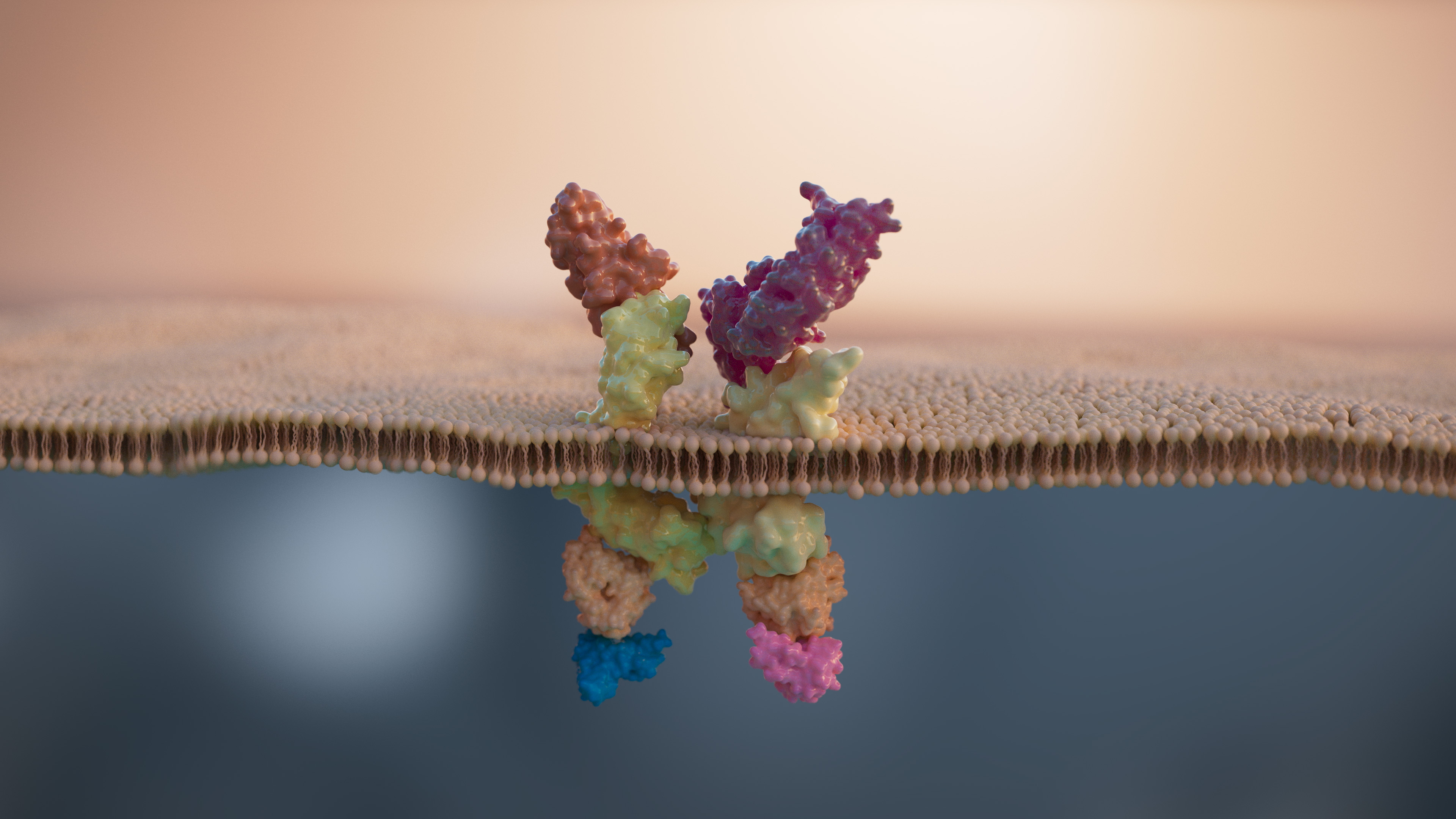
A successful MOA film does more than look convincing. It gives scientific reviewers a clear structure for checking what happens, in what order, and at which biological scale.
03 / Built for your audience
One mechanism, different stories
We shape the narrative, pacing and visual language around your audience and the decision you want the film to support.
Medical education · congresses · KOL engagement
Fundraising · licensing · platform communication
Product launch · sales training · campaigns
Treatment education · informed conversations
04 / Designing for understanding
The viewer's knowledge bubble
Every audience brings a different knowledge bubble. It includes the concepts, language and visual conventions they already understand. A specialist can enter the story at a deeper level than an investor, commercial team or patient.
Establish the audience's scientific vocabulary, assumptions and familiarity with the disease area.
Define the one idea, distinction or causal relationship the viewer should understand afterwards.
Add only the intermediate steps required to move from existing knowledge to the new idea.
05 / Directing attention
Complexity with purpose
Move from anatomy to tissue, cell and molecule. Each transition should preserve orientation.
If everything moves, nothing leads. Motion should reveal sequence, causality, transformation or emphasis.
Remove visual noise while keeping the relationships and distinctions that make the mechanism accurate.
Afterwards, viewers should be able to explain the mechanism clearly in one or two sentences.
Often, the best answer is both
04 / The Glow process
Accuracy is designed in
Align on the science, audience, communication goal and approval process.
Turn the mechanism into a concise script and storyboard with clear visual logic.
Establish a distinctive, scientifically grounded visual language.
Build, animate and refine through staged medical and creative review.
05 / Choosing the format
Animation or illustration?
MOA animation
Animation guides viewers through change over time: where a therapy travels, what it binds to and what happens next. Ideal for launch films, congress screens and complex pathways.
Scientific illustration
A single image lets viewers study an idea at their own pace. Ideal for presentations, publications, campaign visuals and diagrams.
06 / Frequently asked
Planning an MOA film
A visual explanation of how a drug, therapy, device or technology produces its effect, moving from anatomy to cells and molecules.
Most MOA films run between 60 seconds and three minutes. Duration depends on complexity, audience and setting.
Cost depends on duration, scientific complexity, visual style, environments and deliverables. We provide a clear proposal after a briefing.
Scientific and medical reviewers are involved throughout script, storyboard, styleframe and animation review.
Yes. Approved scenes and stills can support congress screens, websites, presentations, training and campaigns.
Yes. MOD films explain pathology, disease progression and relevant pathways, and can be combined with MOA content.
Your science, in clear visual focus
Tell us what your audience needs to understand. We’ll help shape the right film, visual language and production scope.
Discuss your project →
